
Fragrance has long occupied a unique place in the luxury market. For decades, it has served as one of the most accessible ways for consumers to experience the craftsmanship, storytelling and prestige associated with luxury brands without the investment required for designer fashion, jewelry and leather goods.
While luxury categories rise and fall with economic cycles and changing consumer preferences, prestige fragrance has remained remarkably resilient. Its lasting appeal says as much about human psychology as it does about luxury itself, offering valuable insights into the future of experiential luxury.
Luxury Within Reach
For many people, fragrance serves as an accessible introduction to the world of luxury. While purchasing a designer wardrobe or accessory may be out of reach, a fine fragrance provides an attainable way to experience premium quality and brand heritage.
Because fragrance often carries a lower financial commitment than other luxury purchases, buyers may be more willing to explore new scents, experiment with different collections and engage with brands they admire. In many cases, fragrance becomes the first step in a longer customer relationship, creating familiarity that may eventually extend into other product categories.
Scent Creates Lasting Emotional Connections
Few products create emotional engagement quite like fragrance. Unlike visual or tactile experiences, scent is processed through brain regions closely associated with emotion and memory. A single fragrance can instantly evoke a meaningful moment, remind someone of a loved one or transport them back to a specific place and time. This unique connection helps explain why fragrance often feels deeply personal and why consumers develop long-term loyalty to signature scents.
For luxury brands, this emotional resonance creates opportunities that extend beyond the product itself. A fragrance becomes part of someone’s daily routine, personal identity and life experiences.
Why Prestige Fragrance Continues to Thrive
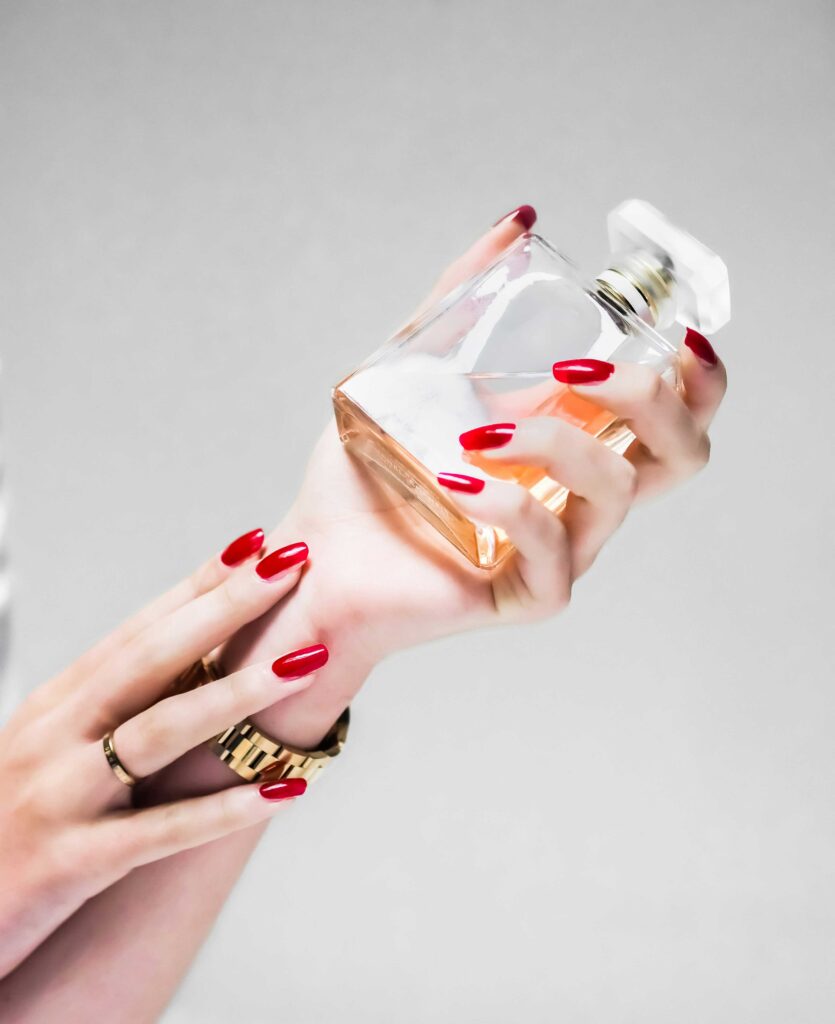
Prestige fragrance has remained one of the strongest-performing areas within the luxury market because it delivers value beyond the bottle. It can be chosen to reflect someone’s personality, aspirations or mood; to mark a personal milestone or to be part of dressing up for a meaningful event. The emotional dimension gives fragrance staying power, even during periods of economic uncertainty. Consumers may postpone larger luxury purchases while continuing to invest in products that provide comfort, confidence and a sense of personal indulgence.
Fragrance also fits naturally into broader lifestyle trends centered on self-care, wellness and intentional rituals, making it relevant across a wide range of demographics.
The Future of Experiential Luxury
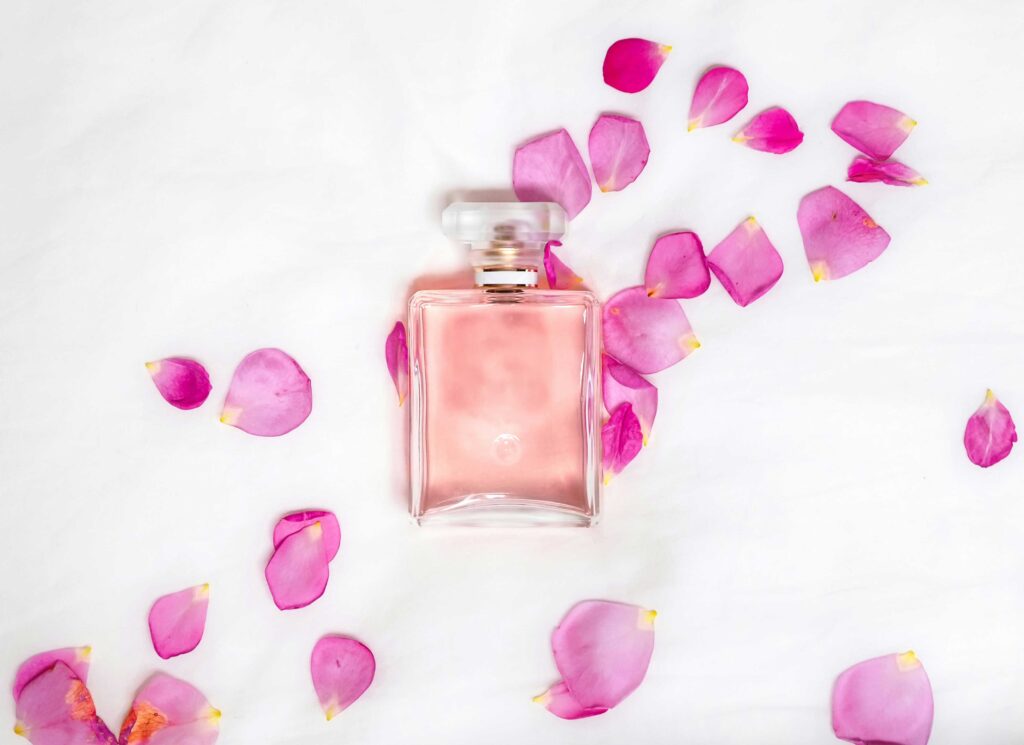
The success of fragrance points to a broader transformation in luxury. Increasingly, consumers are placing greater value on experiences that foster emotion, connection and personal meaning than on products that simply signal status. For brands, this means creating memorable interactions, from immersive retail environments to personalized storytelling and sensory experiences that deepen engagement. Luxury is becoming less about ownership alone and more about how a brand makes a person feel.
Its combination of accessibility, emotional impact and everyday use positions fragrance differently from many other luxury products, allowing it to maintain strong customer demand even as spending priorities evolve.
Discover how immersive shopping experiences are reshaping the industry in The Future of Beauty Retail: Why Experience Matters More Than Ever, and explore why creating memorable customer experiences is becoming the new luxury standard.