
From smartwatches and fitness rings to continuous glucose monitors (CGMs), blood pressure monitors and activity bands, wearable technology has become an increasingly common part of everyday life. Even smartphones now function as health trackers, automatically counting steps, monitoring movement and encouraging healthier habits.
The appeal is easy to understand. These devices provide unprecedented access to personal health information, promising greater awareness and, ultimately, better health. But while more data can be empowering, it doesn’t automatically lead to healthier behavior. The real value of wearable technology depends not on how much information it provides, but on how that information is used.
More Data Than Ever Before
Wearable technology spans a broad spectrum of health tools. Some devices are designed to support medical care, while others focus on helping people build healthier daily habits. Both categories have value, but they serve very different purposes.
Medical-focused wearables, including continuous glucose monitors (CGMs), blood pressure monitors and certain smartwatches capable of detecting irregular heart rhythms or recording electrocardiograms (ECGs), can provide clinically meaningful information. For people managing conditions such as diabetes, hypertension or certain heart conditions, these tools may improve disease management, alert users to potentially serious changes and, in some cases, even help prevent medical emergencies.
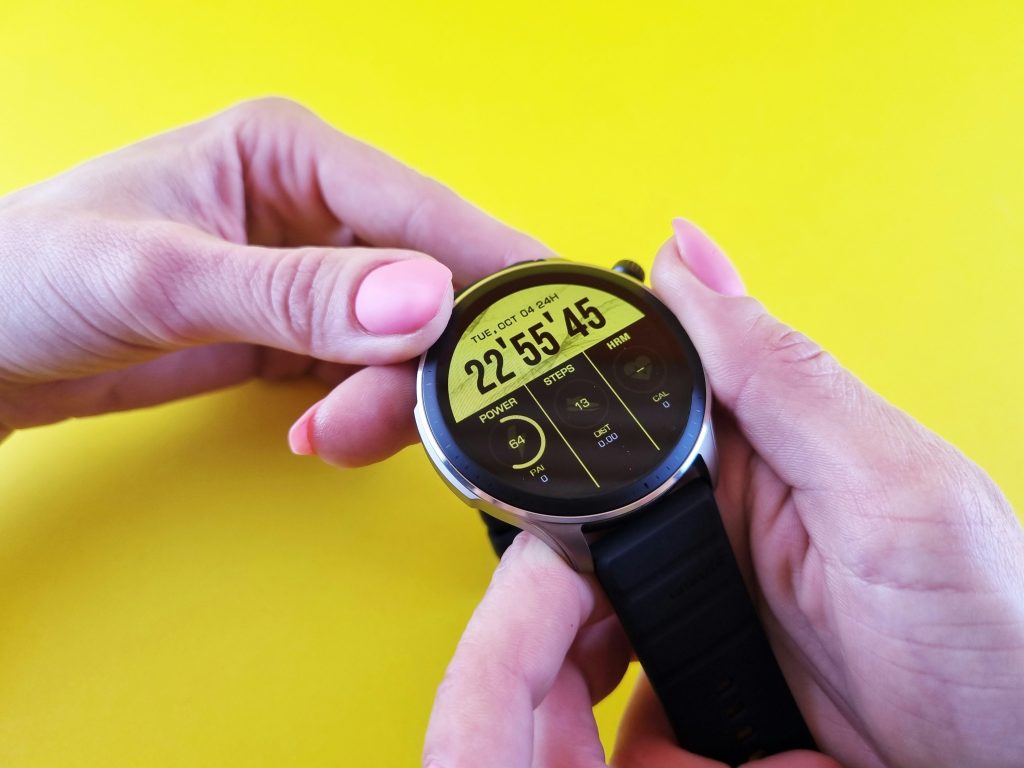
Other wearables, including smartwatches, fitness rings, recovery bands and smartphones, primarily collect lifestyle data such as steps, physical activity, sleep, heart rate and recovery trends. While these metrics are not intended to diagnose disease, they can increase awareness of daily habits and encourage healthier behaviors.
Which Lifestyle Metrics Actually Change Behavior?
When it comes to lifestyle wearables, not every metric carries the same value. Research suggests that the most effective data is simple, actionable and connected to behaviors people can realistically change. Daily step counts, activity minutes, sleep duration and reminders to move can encourage practical improvements because they translate directly into everyday actions.
However, for some individuals, an endless stream of health scores and notifications may create unnecessary worry or encourage an unhealthy fixation on achieving perfect numbers. Missing a step goal or receiving a poor sleep score may increase stress rather than improve well-being. Health is influenced by many factors that no current wearable can fully capture, including emotional well-being, nutrition, relationships, stress and overall quality of life.
Personalization Matters More Than Information
The most valuable health insights are the ones most relevant and that people want to act on. A marathon runner, an older adult managing hypertension and someone trying to become more physically active all have different health priorities. Rather than tracking every available metric, people often benefit most from focusing on the information that aligns with their individual goals. Personalized insights are far more likely to support lasting behavior change than an overwhelming dashboard of statistics.

Wearables Are Tools, Not Solutions
Wearable technology has transformed how people engage with their health by making information more accessible than ever before. Used thoughtfully, these devices can increase awareness, reinforce healthy habits and encourage meaningful conversations with healthcare providers.
At the same time, data alone doesn’t create better health. Sustainable improvements still depend on consistent behaviors, realistic goals and a broader understanding of what influences their well-being.
Wearables may help measure recovery, but why has recovery itself become such a priority? Take a closer look in Beauty Sleep Is Big Business: Recovery Is the New Wellness Trend.